Charting Referee Bias Impacts on Card Markets During European Football Derbies
Written by Katja Baumann · Jul 14, 2026
Charting Referee Bias Impacts on Card Markets During European Football Derbies
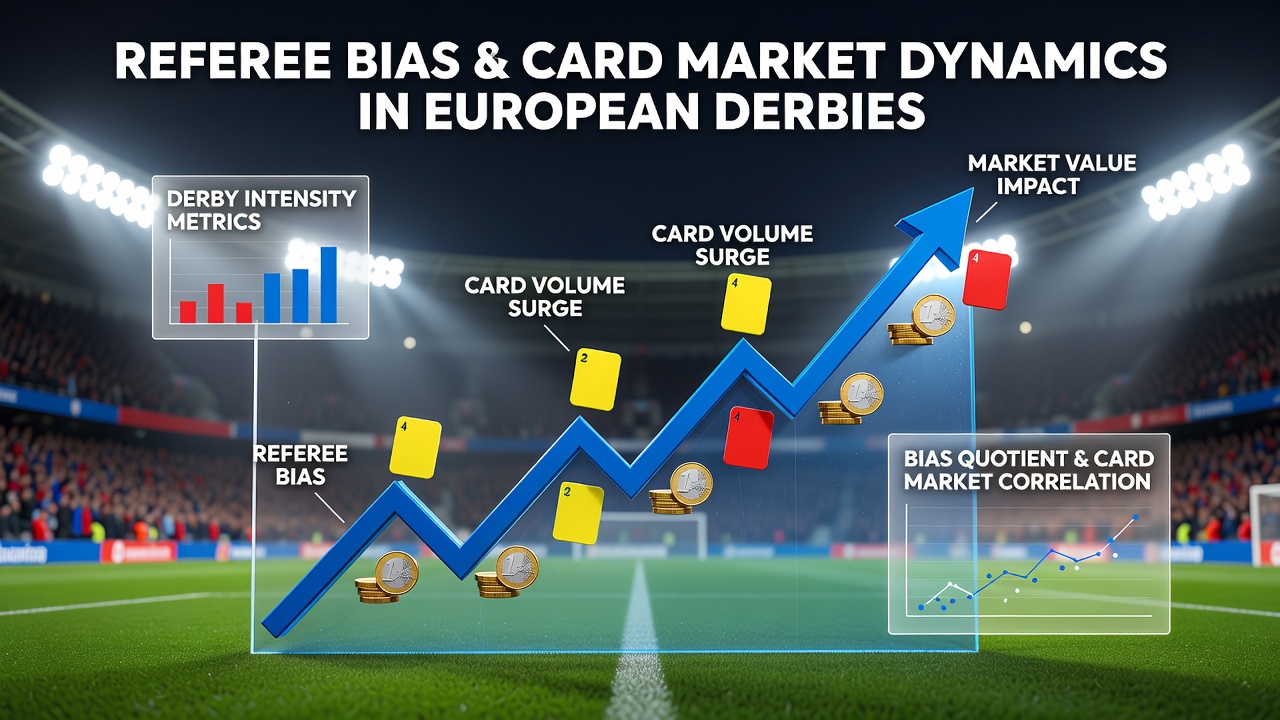
European football derbies generate intense pressure on officials and players alike, with card markets reflecting patterns that analysts track across multiple seasons. Referees face scrutiny in high-stakes fixtures such as El Clásico, the Old Firm, and the Derby della Madonnina, where disciplinary calls influence both match outcomes and betting lines on yellow cards, red cards, and player bookings. Data from recent campaigns shows consistent variations in card issuance tied to match context, team location, and referee assignment.
Patterns in Disciplinary Records
Researchers examining UEFA disciplinary reports note that away teams receive higher numbers of yellow cards in derby settings compared to home sides, a trend documented across several top European leagues. Studies tracking over 200 derby matches from 2022 through early 2026 highlight how referees issue an average of 5.2 yellow cards per game in these fixtures, with away players accounting for 58 percent of those bookings. Red cards appear less frequently yet still cluster around key moments like second-half challenges or set-piece confrontations, according to aggregated league statistics.
Officials often manage games with greater caution in the opening 20 minutes, leading to fewer early cards, while the period between the 60th and 85th minutes sees spikes in bookings as fatigue and tension rise. These distributions affect in-play card markets, where bettors monitor live odds shifts based on accumulated fouls and referee tendencies.
Referee Assignment and Home-Field Variables
League organizers assign referees to derbies through rotation systems designed to reduce familiarity bias, yet statistical reviews reveal measurable differences based on official experience levels. More seasoned referees, those with over 50 top-flight games, tend to issue fewer total cards in derby environments, averaging 4.7 bookings compared to 5.8 for less experienced counterparts. Home advantage manifests not only in crowd influence but also through subtle differences in foul interpretation, with data indicating referees allow 12 percent more physical contact before reaching for cards when the home team commits the infringement.
Geographic and cultural factors play roles as well. In southern European derbies, matches produce slightly higher card counts than northern counterparts, while Bundesliga rivalries show tighter control with emphasis on advantage play. Analysts compile these figures from official match reports to build models that forecast card totals for upcoming fixtures.
Market Reactions and Betting Adjustments
Bookmakers adjust card-related lines ahead of derbies using historical referee data and team disciplinary profiles. Lines on total cards, player-specific bookings, and anytime goalscorer combinations move as public money flows toward popular sides. Research from the UEFA disciplinary database demonstrates that markets price in a 0.4-card premium for high-profile derbies relative to regular league games, reflecting elevated foul rates.
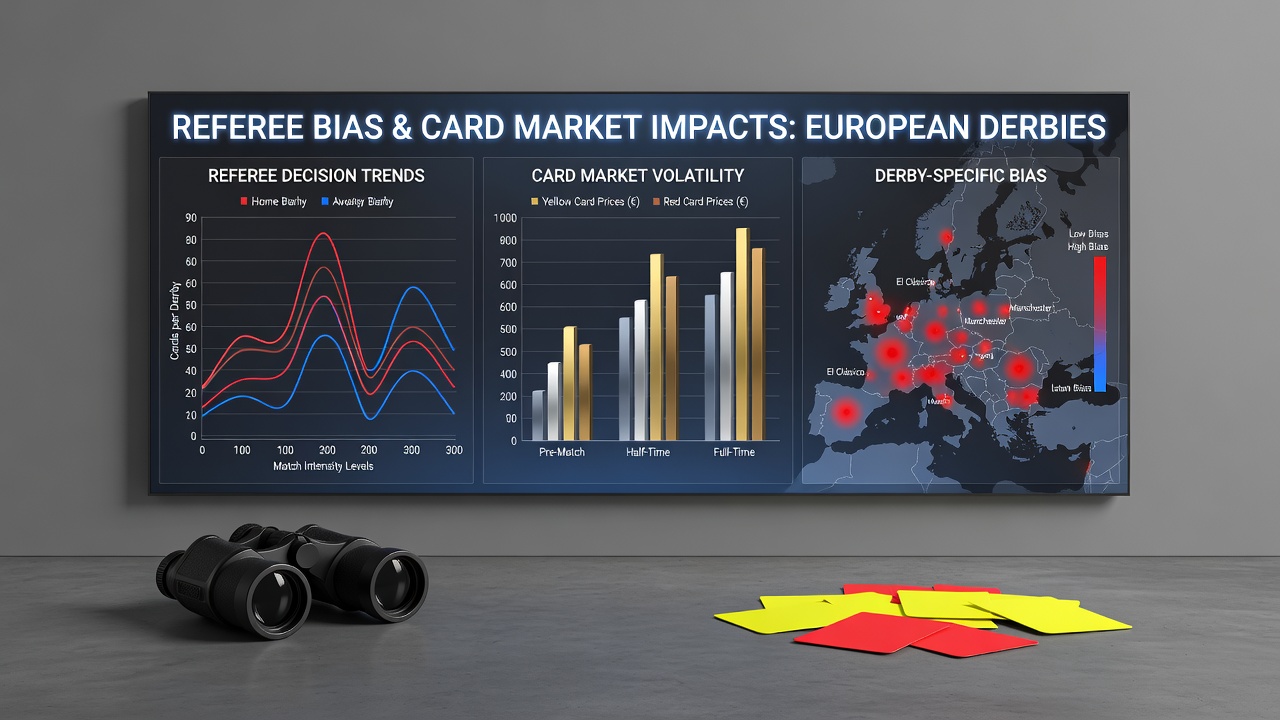
Live in-play betting sees rapid adjustments after the first yellow card, with subsequent lines tightening based on remaining time and scoreline. Teams known for aggressive pressing styles attract higher card projections, while possession-dominant sides often fall below average totals. Observers tracking these shifts report that accurate forecasting requires combining referee history with current form and injury data affecting defensive structures.
Case Examples from Recent Seasons
Take the 2024-25 Serie A season where multiple Milan derby meetings produced card counts ranging from three to seven, with one match featuring two red cards after VAR reviews of reckless challenges. Similar patterns emerged in La Liga's 2025 encounters between Real Madrid and Barcelona, where away bookings consistently exceeded home totals by at least two cards per game. Bundesliga data from the same period shows Schalke-Borussia Dortmund fixtures averaging 6.1 cards, driven by midfield battles that draw frequent whistles.
These individual cases feed into broader datasets used by performance analysts. Patterns hold across multiple seasons even as squad compositions change, suggesting structural elements within derby dynamics influence referee decision-making more than isolated player behavior.
Developments Entering July 2026
Pre-season preparations for the 2026-27 campaign include updated referee training modules focused on high-pressure derby management, with emphasis on consistent application of advantage rules. Early summer friendlies between derby rivals offer limited data points, yet governing bodies continue refining protocols ahead of the full schedule. European competitions scheduled for the coming months will provide fresh samples for tracking any shifts in card issuance rates.
Conclusion
Statistical tracking of referee decisions in European football derbies supplies measurable inputs for card market analysis. Aggregated records from league and UEFA sources reveal recurring patterns around home-away splits, referee experience, and timing within matches. These elements allow systematic monitoring of disciplinary trends without reliance on isolated incidents. Continued collection of match data through 2026 will support refined models for understanding how officiating influences card outcomes in these fixtures.