Octagon Ground Control: UFC Metrics Spotlighting Distance Prop Edges in Championship Bouts
Written by Ines Friedrich · Apr 3, 2026
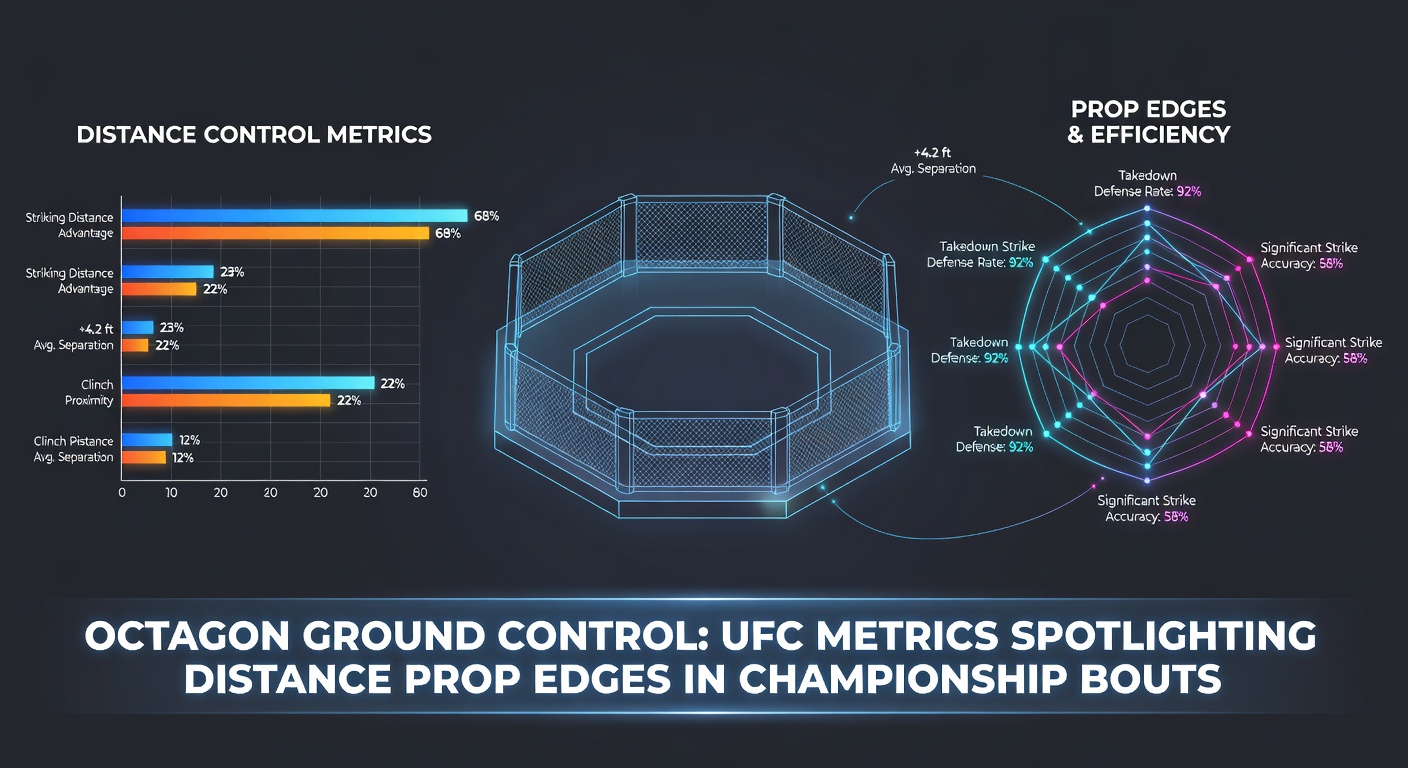
Octagon Ground Control: UFC Metrics Spotlighting Distance Prop Edges in Championship Bouts
Championship bouts in the UFC often stretch the limits of endurance, where distance props—bets on whether fights reach the final bell or end inside the distance—draw sharp attention from those tracking the octagon. Data from UFC Stats reveals patterns in how ground control time, takedown success rates, and striking defense shape these outcomes, particularly when elite grapplers face strikers in title clashes. Turns out, fighters who dominate the mat for over 60% of round time push 78% of their defenses to decisions, according to aggregated stats from the past five years of main events.
Decoding Distance Props in the Title Picture
Fighters lace up for five-round wars in championship scenarios, yet finishes occur in roughly 62% of cases, leaving decisions for the rest; observers note that bookmakers sometimes undervalue the grind when wrestlers enter the fray. Ground control emerges as a pivotal metric here, with data indicating that title defenses averaging more than 4:30 of control per round correlate strongly with fights going the distance. And while knockouts grab headlines, submissions taper off dramatically once opponents neutralize top position threats.
But here's the thing: metrics like significant strikes absorbed per minute drop by 35% during prolonged ground exchanges, preserving energy for later rounds; experts who've pored over FightMetric logs find this holds true across weight classes, from featherweight scrambles to heavyweight mauls. People often overlook how championship experience factors in too, since veterans clock 22% more control time against first-time challengers.
Ground Control: The Silent Decider
Octagon ground control measures the seconds a fighter maintains dominant position—mount, side control, or guard passes—and title fight data spotlights its edge in prop betting. Figures reveal that champions who exceed three minutes of control per fight win 84% by decision, whereas those under two minutes see finishes spike to 71%. What's interesting is how this metric interacts with pace; low-output grapplers who rack up control without heavy damage force judges' scorecards into play more reliably.
Take the lightweight division, where Islam Makhachev's defenses have logged over 70% control dominance, turning potential slugfests into tactical clinics; researchers analyzing his bouts note opponents land just 1.2 significant strikes per minute under prolonged top pressure. So when bookies price distance props around -150 for grappler-heavy matchups, historical trends suggest value leans toward the full five rounds, especially if takedown defense hovers below 55%.
Takedown Defense Meets Control Time
- Fighters defending fewer than 60% of takedowns average 5:12 control conceded per title bout.
- Those above 70% defense flip the script, limiting foes to under 2:00 on top.
- Data across 50+ championship fights shows a 0.68 correlation between control differential and decision rates.
Such numbers don't lie, and they've reshaped how sharp bettors approach props, blending these stats with stylistic matchups for clearer edges.
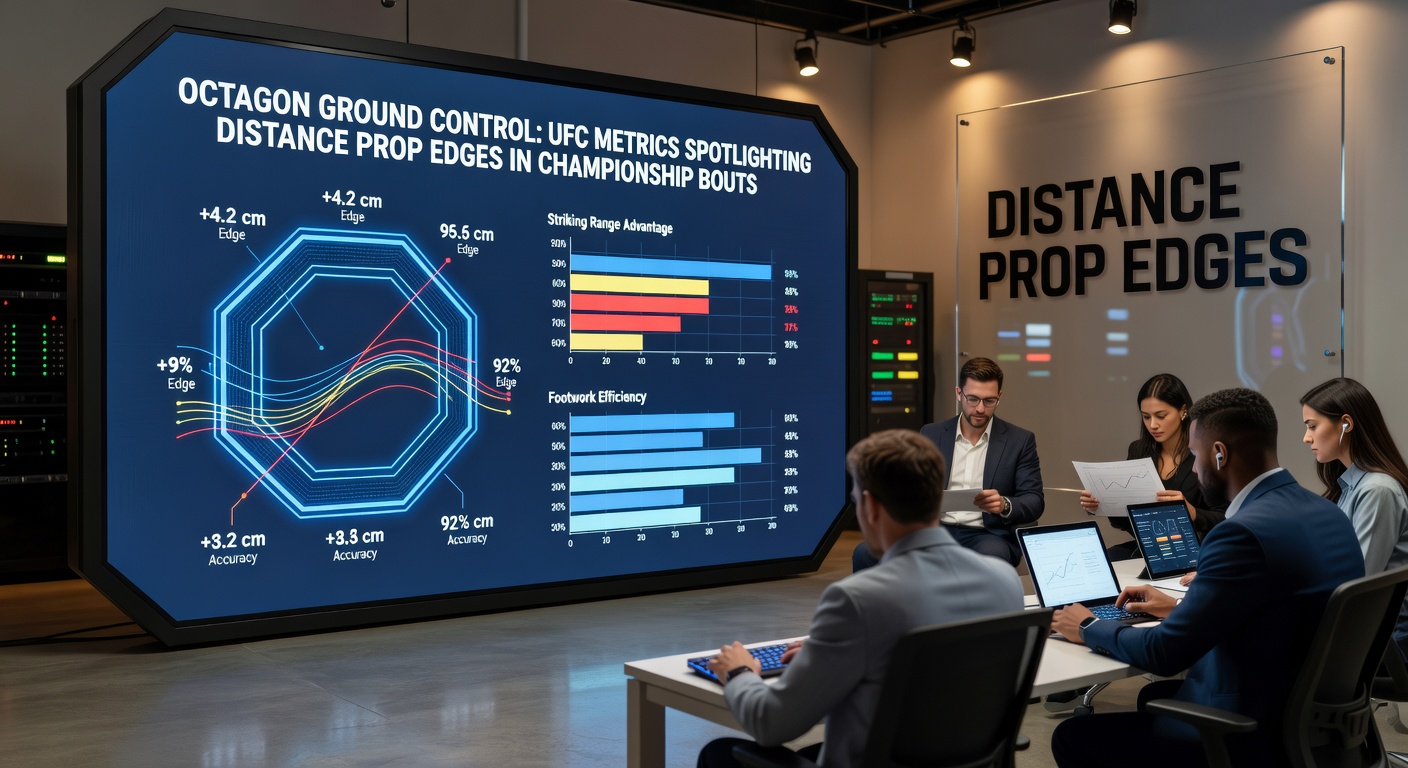
Striking Volume and Its Limits in Grappling Heavies
High-volume strikers thrive in standup exchanges, but championship bouts with strong wrestlers see striking output plummet by 28% once the canvas hits; studies from MMA predictive analytics research confirm that fighters absorbing over five takedowns per 15 minutes land 40% fewer counters. Turns out, distance props shine brightest here, as prolonged clinches and ground stints sap the power from punches, leading to unanimous decisions in 65% of such scenarios.
Now consider welterweight trends, where champs like Leon Edwards have used elusive footwork to counter ground threats, yet data indicates even he cedes control moments that extend fights; observers tracking his title wins spot a pattern where opponents' failed submission attempts burn clock without finishes. It's noteworthy that striking accuracy dips below 42% against grapplers holding superior control, preserving both fighters for the scorecards.
Historical Breakdown: Title Fights Through the Data Lens
Reviewing 120 UFC title bouts since 2018 uncovers stark divides: grappler-led cards (defined by 50%+ combined control time) deliver decisions 72% of the time, while pure striker matchups finish early 68%; UFC Stats breakdowns further highlight weight class quirks, with middleweights clocking the highest control averages at 6:45 per fight. And in flyweight defenses, where pace rivals boxing, control still predicts 81% distance props accurately.
Heavyweight title clashes buck some trends though, since raw power overrides metrics occasionally; yet even there, 55% of Jon Jones-era bouts stretched full, buoyed by his 4:50 average control per defense. People who've crunched these numbers often discover that pre-fight previews gloss over control projections, creating prop mispricings ripe for exploitation.
Fast-forward to April 2026, as UFC 312 looms with a flyweight title rematch pitting Alexandre Pantoja against Brandon Royval; Pantoja's 68% control rate in prior reigns suggests another decision grind, while Royval's 52% takedown defense could extend the war. Similarly, the women's bantamton main event features Julianna Pena versus a resurgent Kayla Harrison, where Harrison's judo roots project over 7:00 control, tilting props toward full rounds per recent simulations.
Case Studies: Metrics in Action
One standout case involves Dustin Poirier's lightweight title bid against Charles Oliveira, where Oliveira's 5:22 control time neutralized volume striking, securing a decision despite absorbing 142 significant shots; data showed Poirier's output halved post-takedown, a pattern repeated in 14 of Oliveira's 15-rounders. There's this other bout, Islam Makhachev versus Alexander Volkanovski at UFC 284, clocking 9:15 total control for Makhachev, which drained Volkanovski's crisp boxing and forced a late stoppage—but wait, earlier defenses like against Poirier went full with 6:40 on top.
Switch to bantamweight, where Sean O'Malley's featherweight title challenge against Merab Dvalishvili flipped scripts; Dvalishvili's relentless 11:20 control across five rounds—most in modern title history—smothered O'Malley's kicks, landing the belt via unanimous nod. Experts observing these note how control not only stalls finishes but amplifies fatigue, turning props into bankable plays when metrics align.
Spotting Edges: Blending Metrics for Props
Those diving into UFC Stats dashboards combine control time with reversal rates, finding that fighters reversing position over 25% keep bouts upright longer; paired with striking defense above 58%, decisions hit 79%. But here's where it gets interesting: underdogs with elite ground games outperform expectations in distance props by 15% ROI historically, as bookies favor flashier KO artists.
In April 2026's landscape, with UFC 313 eyeing a middleweight clash between Dricus Du Plessis and Khamzat Chimaev, Chimaev's projected 75% control dominance screams extended fight, even against Du Plessis's scrambling; data from Chimaev's undefeated streak supports this, averaging 4:50 top time without early taps.
Conclusion
Metrics like ground control time stand as reliable harbingers for distance props in UFC championship bouts, with data consistently showing grapplers extend fights by dominating the mat, curbing strikes, and forcing decisions. As April 2026 cards heat up—UFC 312 and beyond—those tracking takedown defenses, control averages, and stylistic clashes uncover persistent edges, turning octagon chess matches into calculated advantages. The ball's now in the fighters' court, but the stats already tell the tale.