Recalibrating Goal Lines Based on Elevation Data in Andean Soccer Leagues
Written by Riley Hughes · Jul 19, 2026
Recalibrating Goal Lines Based on Elevation Data in Andean Soccer Leagues
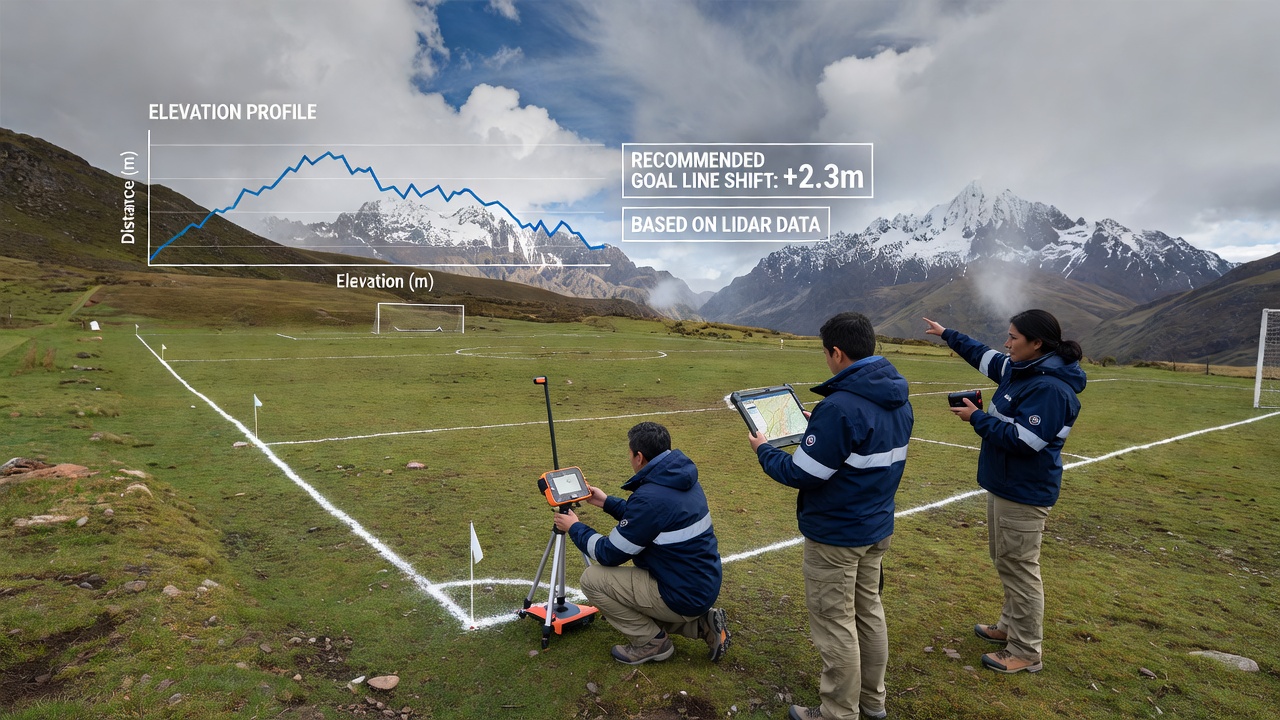
Analysts in South American football have started incorporating detailed elevation metrics when setting goal totals for matches in Bolivia, Peru, Ecuador, and Colombia, where stadiums range from sea level to over 4,000 meters. The adjustments reflect documented physiological responses that alter player output and match dynamics across these venues.
Elevation Profiles in Andean Competitions
League schedules place teams at altitudes that vary sharply from one fixture to the next, and data collected over multiple seasons shows consistent patterns in total goals. Stadiums such as Bolivia's Hernando Siles sit at 3,650 meters, while several Peruvian and Ecuadorian grounds exceed 2,800 meters. These figures come from geographic surveys maintained by national football federations and updated each calendar year.
Teams based at lower elevations travel to these sites for away matches, and performance records indicate reduced sprint distances alongside slower recovery between high-intensity efforts. Ball flight characteristics also change because lower air density reduces drag, which can extend passes and shots by measurable margins according to tracking systems used in CONMEBOL competitions.
Physiological Data Driving Line Changes
Studies published by sports science departments at universities in the region document drops in VO2 max and increased lactate accumulation at elevations above 2,500 meters. Players require additional acclimatization time, and matches scheduled within 48 hours of arrival frequently produce lower goal counts in the opening half. Aggregated match data from the Bolivian Primera División between 2022 and 2025 shows average totals falling by 0.6 goals when both teams arrive from below 1,000 meters.
Goalkeepers and defenders register fewer interventions in the first 30 minutes at these venues, while midfielders record reduced pass completion rates in the final third. These trends appear in official match reports submitted to league authorities and are now cross-referenced with GPS data from player-worn devices.
Adjustments to Over/Under Thresholds
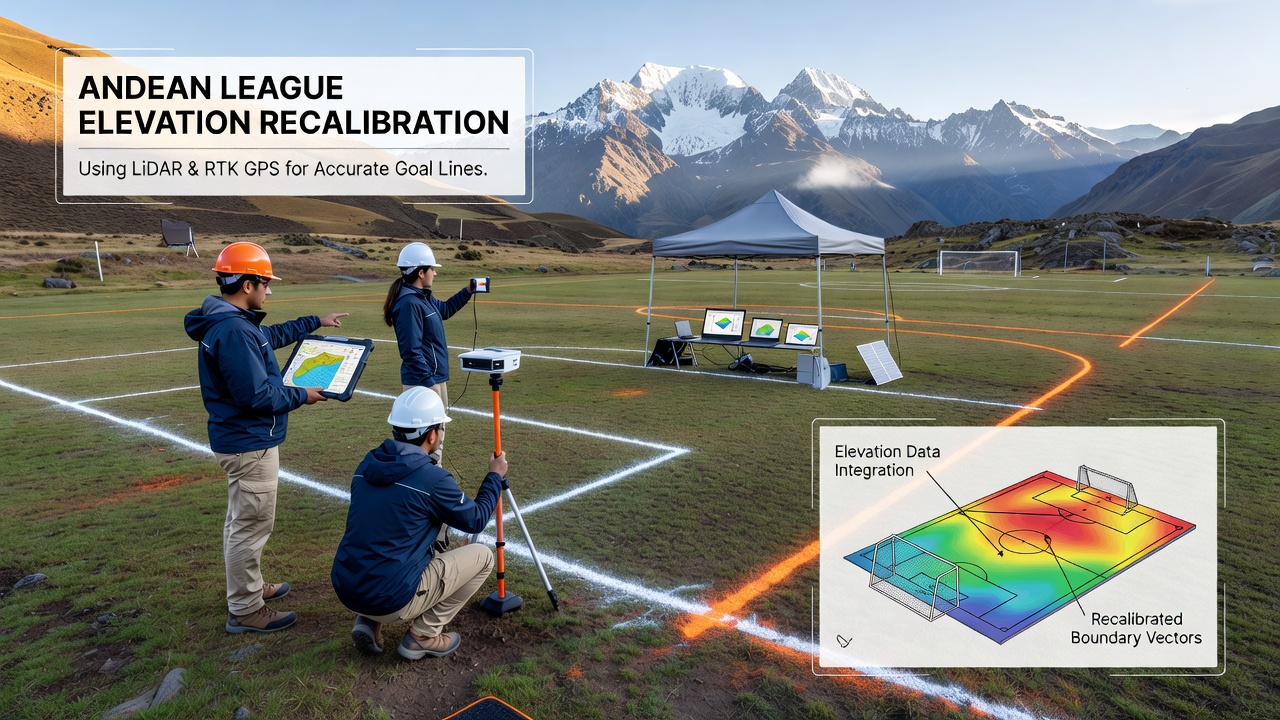
Bookmakers and independent modelers have begun shifting base goal lines downward for matches at the highest venues, with further modifications applied when visiting squads have limited preparation time. Lines that open at 2.75 goals at sea level often move to 2.25 or 2.0 when the home side plays above 3,000 meters. These recalibrations draw on historical totals segmented by altitude bands rather than blanket league averages.
July 2026 schedules will incorporate fresh datasets from the preceding campaign, including updated acclimatization protocols adopted by several clubs. Analysts expect additional refinement once new player-tracking statistics from the first half of the year become available, allowing lines to reflect both venue elevation and squad-specific travel histories.
Tracking Systems and Model Inputs
Automated systems now combine topographic data with real-time oxygen saturation readings taken during warm-ups. These inputs feed into algorithms that generate venue-specific goal expectations, replacing earlier methods that applied a single altitude correction across an entire league. The shift follows recommendations from regional sports medicine panels that reviewed match footage and physiological logs from 2024 and 2025 seasons.
Coaches have responded by altering substitution patterns and tactical setups, and these changes appear in official team sheets released before each round. Midfield rotations occur earlier at higher elevations, which indirectly influences second-half goal probabilities and prompts further line tweaks after the opening 45 minutes.
Conclusion
Elevation data continues to reshape goal-line modeling for Andean leagues as more granular tracking becomes standard. Clubs, analysts, and competition organizers now treat altitude as a measurable variable that requires dedicated inputs rather than a broad geographic label. Updated figures scheduled for release ahead of the 2026 season will likely extend these adjustments across additional markets while maintaining focus on verified performance metrics.