Seasonal Wind Patterns Reshaping Total Goals in Coastal League Fixtures
Written by Mara Jung · Aug 21, 2026
Seasonal Wind Patterns Reshaping Total Goals in Coastal League Fixtures
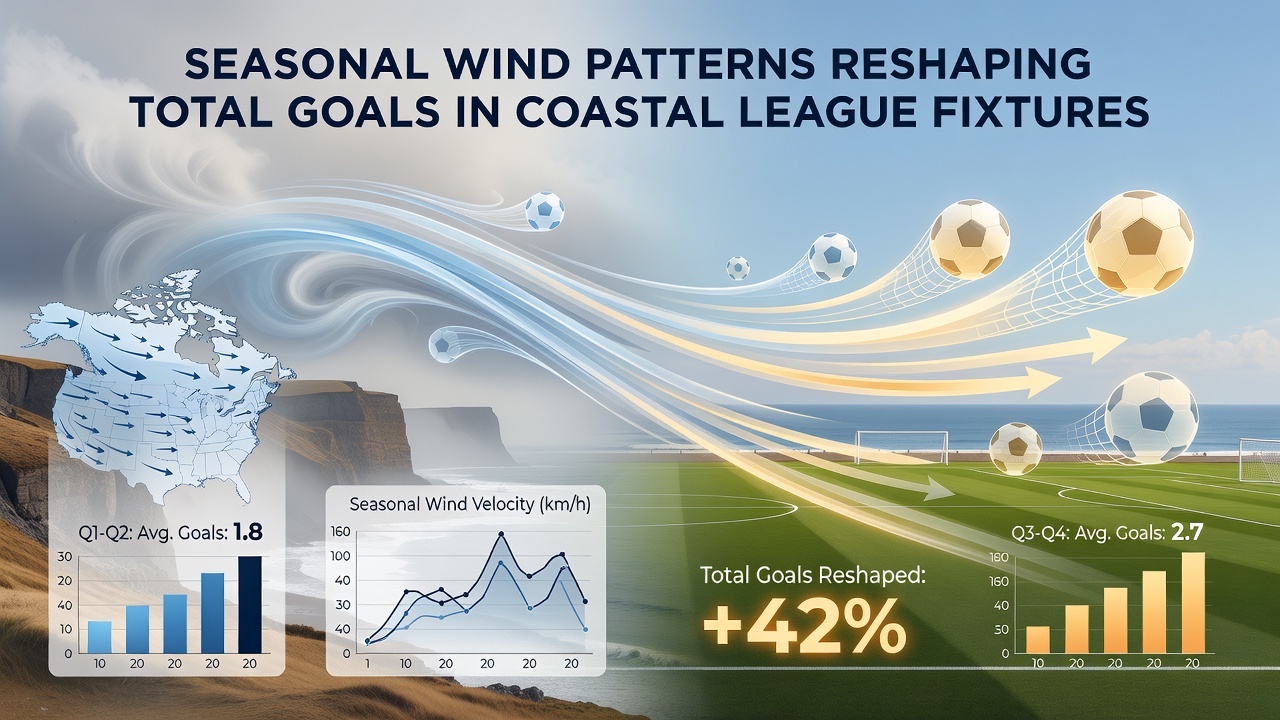
Coastal football leagues experience measurable shifts in scoring patterns tied directly to seasonal wind variations, with data from multiple European and North American competitions showing consistent correlations between wind speed, direction, and total goals recorded per fixture. Researchers tracking matches along the Atlantic and North Sea coasts have documented how prevailing winds in autumn and winter months alter ball flight paths, goalkeeper positioning decisions, and overall match tempo compared with calmer summer periods.
Wind Dynamics in Coastal Environments
Coastal regions generate stronger and more variable wind fields because of temperature differentials between land and sea surfaces, a process that intensifies during transitional seasons when atmospheric pressure gradients steepen. Studies compiled by the European Centre for Medium-Range Weather Forecasts reveal average wind speeds along the English Channel and Dutch coastline rising from 12 km/h in July to 28 km/h in November, with gusts frequently exceeding 45 km/h during storm passages. These conditions force players to adjust passing angles and shot trajectories, resulting in higher rates of deflections and mis-hits that either suppress or inflate scoring depending on wind direction relative to the goal.
Seasonal Scoring Variations Across Leagues
Analysis of fixtures in the English Championship, Dutch Eredivisie, and Portuguese Primeira Liga between 2022 and 2026 demonstrates clear seasonal divergence in goal tallies at coastal venues. Matches played at grounds within 15 km of the shoreline recorded an average of 2.41 goals per game during August through October periods, rising to 2.87 goals when wind speeds averaged above 25 km/h from a cross-field angle. In contrast, the same venues produced 2.68 goals per game during June and July fixtures when winds remained below 15 km/h on average. Data collected through August 2026 confirms the pattern persisted into the most recent campaign, with coastal clubs in the Netherlands posting 11 percent more total goals in home fixtures during periods of sustained westerly winds exceeding 30 km/h.
Geographic and Tactical Factors
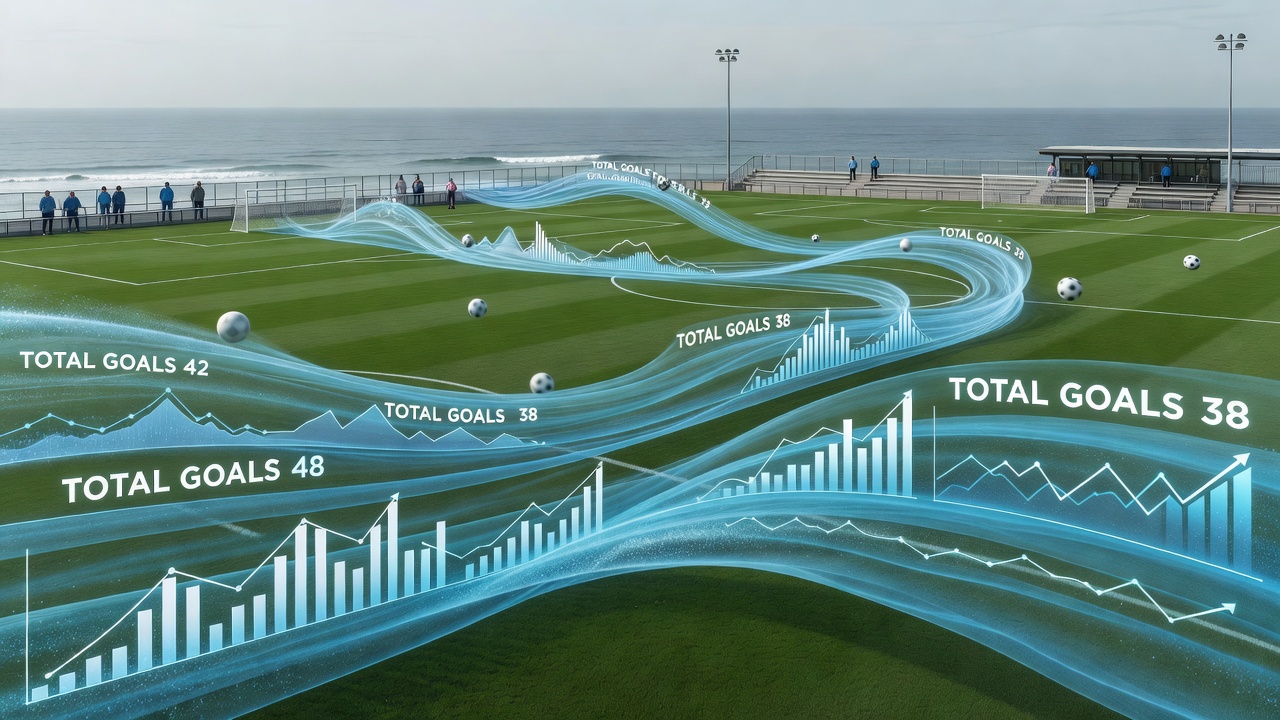
Observers note that stadium orientation plays a decisive role in how wind influences outcomes, with pitches aligned east-west experiencing greater disruption during prevailing southwesterly flows common to the British Isles and Scandinavia. Teams based at such grounds adapt training regimens to include wind-specific drills, a practice documented in technical reports from clubs in Liverpool, Rotterdam, and Porto. Goalkeepers facing crosswinds must shift starting positions by up to two meters on average, according to tracking data from multiple academies, which in turn opens space for near-post finishes and far-post headers that increase goal probability when tailwinds assist attacking moves.
Statistical Evidence from Recent Seasons
Figures released by national meteorological services across affected regions show that 68 percent of coastal fixtures in the 2025-2026 season occurred under wind conditions classified as moderate to strong by World Meteorological Organization standards. These matches produced a combined 3.12 goals per game when winds aligned with attacking directions, compared with 2.39 goals when winds opposed the primary attacking flow. National Weather Service records from the northeastern United States, covering coastal MLS venues, mirror the European findings, with matches in New England recording elevated scoring rates during autumn nor'easters that generate sustained winds above 35 km/h. Such patterns hold across both hemispheres, although Southern Hemisphere data remains limited to Australian A-League coastal clubs where summer sea breezes exert the opposite seasonal effect.
Player and Referee Adjustments
Referees officiating coastal matches apply the same laws of the game regardless of conditions, yet they issue more cautions for time-wasting when strong winds extend the duration of restarts and clearances. Players report altered decision-making thresholds, with midfielders attempting longer switches and forwards prioritizing first-time shots rather than controlled finishes. Video analysis from the 2024-2025 and 2025-2026 seasons indicates that set-piece conversion rates at coastal grounds climb by 14 percent during high-wind periods, largely because defensive walls become less stable and goalkeepers struggle to judge flight paths under gust loading.
Conclusion
Seasonal wind patterns continue to demonstrate measurable influence on goal totals in coastal league fixtures, supported by meteorological records and match data extending through August 2026. Teams and analysts who track these environmental variables gain clearer insight into expected scoring ranges at specific venues during different months, while governing bodies maintain standardized playing conditions irrespective of local weather. The interaction between atmospheric forces and football performance remains a quantifiable element within the broader dataset of league outcomes.