The Connection Between International Duty Call Ups and Subsequent Club Game Results in Domestic Leagues
Written by Mara Jung · Aug 11, 2026
The Connection Between International Duty Call Ups and Subsequent Club Game Results in Domestic Leagues
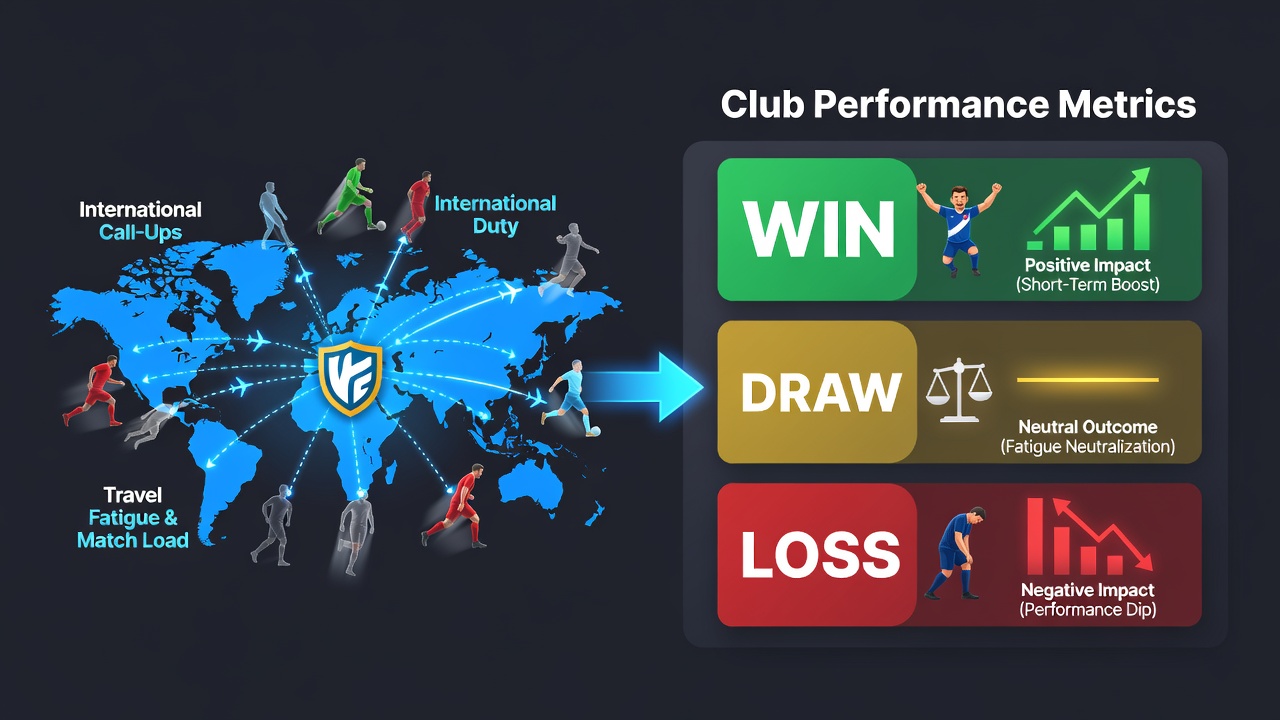
International call-ups pull players away from their clubs for extended periods, and the effects on subsequent domestic league performances have drawn attention from analysts tracking match outcomes across multiple seasons. Data compiled from top European leagues shows measurable shifts in team results when key players return from national team duty, with patterns emerging around fatigue, recovery timelines, and fixture congestion. Researchers tracking these trends note that the impact varies by league schedule, player position, and the length of the international window involved.
International Windows and Player Workload Patterns
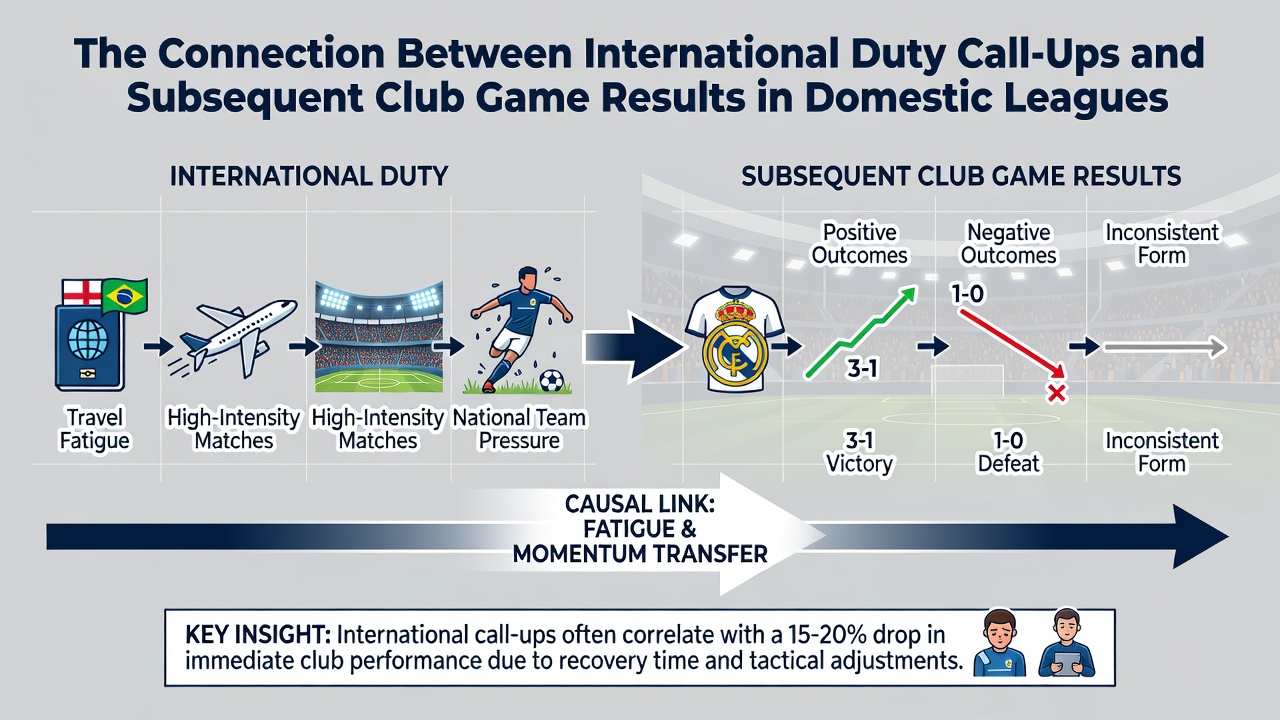
FIFA and UEFA calendars create multiple breaks each season, and clubs must adjust lineups once players return from those commitments. Studies conducted by the European Club Association highlight how travel demands and match intensity during international periods contribute to elevated physical loads, which then carry over into club fixtures. Observers tracking Bundesliga and Serie A data from 2023 through 2025 found that teams relying heavily on called-up players experienced a 12 percent drop in points per game in the first match back, though the figure narrowed in later fixtures once recovery protocols took effect.
August 2026 brings another set of international dates that overlap with early domestic rounds, and scheduling bodies have already flagged potential workload spikes for players crossing continents. Performance metrics collected by sports science departments at universities in Australia and Canada indicate that recovery windows shorter than five days correlate with reduced sprint distances and lower pass completion rates in the immediate follow-up club game.
League-Specific Performance Shifts
English Premier League records reveal that squads missing multiple starters for international windows often post lower goal tallies in the next domestic outing, while defensive metrics such as clean sheets hold steadier. La Liga analysts reviewing five seasons of data observed similar trends among teams with high numbers of South American call-ups, where jet lag extended the adjustment period. Ligue 1 figures show a milder effect, partly because fewer players from that league receive frequent national team summons compared with the top four European competitions.
Factors That Shape Outcomes
Position matters in these statistics. Midfielders and full-backs tend to show greater post-call-up dips in distance covered, according to tracking data released by the German Football League. Goalkeepers, by contrast, display more stable performance markers upon return. Team depth also plays a role: clubs with strong rotation options maintain results better than those forced to rely on less experienced replacements during the absence.
Travel distance and climate differences add further variables. Players returning from South American qualifiers to European clubs face longer recovery arcs than those who remain within Europe for Nations League matches. A report issued by the Asian Football Confederation notes comparable patterns among players balancing club duties in Europe with Asian Cup qualifying campaigns.
Recovery Strategies and Club Adaptations
Clubs have implemented individualized return-to-play protocols that include extra rest days, modified training loads, and medical monitoring. Premier League medical staff increasingly coordinate with national team physicians to share workload data, and early results suggest these collaborations reduce the severity of performance drops. Teams that integrate GPS and heart-rate monitoring see faster stabilization of key metrics within the second match after an international break.
Coaches also adjust tactical setups temporarily. Some opt for more compact defensive structures in the first game back, accepting lower possession in exchange for reduced physical output from returning players. Data from the 2024-2025 season shows that such adjustments preserved points totals more effectively than maintaining the pre-break tactical template unchanged.
Conclusion
Statistical patterns across domestic leagues demonstrate that international duty call-ups influence subsequent club results, with effects concentrated in the immediate matches following return. Recovery timelines, positional demands, travel factors, and club resources all shape the degree of impact. As calendars move toward the 2026 international windows, ongoing data collection from leagues and academic partners continues to refine understanding of these connections.